
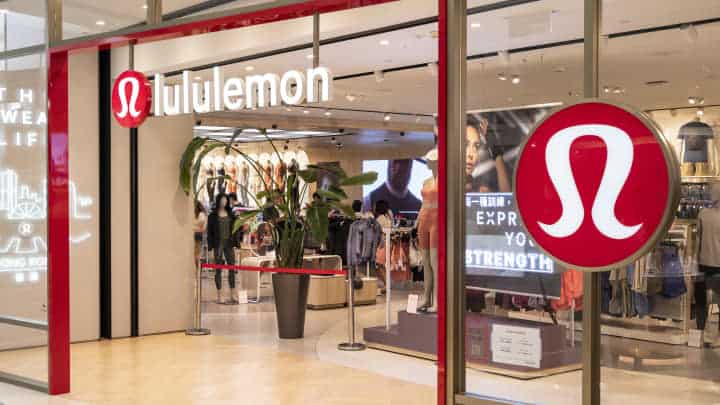

The Golden Halo Begins to Slip
For years, Lululemon Athletica Inc. seemed untouchable. While other apparel giants struggled with shifting consumer tastes and a volatile post-pandemic economy, the yoga-wear pioneer consistently delivered growth that defied gravity. However, the narrative shifted dramatically this week as the company issued a surprisingly weak sales outlook, sending ripples of concern through Wall Street and signaling that even the most resilient brands are not immune to a cooling consumer environment.
The latest financial projections from the Vancouver-based company suggest a normalization of growth that few investors were prepared for. As North American sales growth slows, Lululemon is finding that the “athleisure” market—which it helped create and dominate—is becoming increasingly crowded and price-sensitive. This conservative guidance marks a turning point for a company that has long been a darling of the retail sector.
North American Saturation and Consumer Fatigue
The crux of Lululemon’s current struggle lies in its home market. For the first time in several quarters, the company highlighted a “decided shift” in consumer behavior in the United States. Management noted that fewer customers are visiting stores and those who do are being more selective with their purchases. This deceleration in the North American segment is particularly concerning given that it represents the lion’s share of Lululemon’s revenue.
Analysts point to several factors for this slowdown. First is the sheer saturation of the market. Lululemon’s iconic leggings are now a staple in millions of wardrobes, leading to a natural plateau in replacement cycles. Second, the macroeconomic environment—characterized by persistent inflation and high interest rates—is finally catching up to the premium consumer. When a pair of leggings costs upwards of $100, they move from a “need” to a “discretionary luxury,” making them vulnerable during economic tightening.
Execution Missteps and the Innovation Gap
Beyond the macro economy, internal hurdles are beginning to surface. Lululemon has recently faced criticism regarding its product assortment. Some long-time fans have voiced disappointment over a perceived lack of color variety and “newness” in the core collections. In the world of high-end fashion and performance gear, stagnation is the enemy. While competitors like Alo Yoga and Vuori are aggressively expanding their physical footprints and refreshing their aesthetics, Lululemon has struggled to capture the same “must-have” buzz that it enjoyed two years ago.
Furthermore, the company’s foray into footwear and the botched acquisition of the fitness technology company Mirror have served as distractions. While the “Lululemon Studio” (formerly Mirror) was intended to build an ecosystem, it has largely become a capital-intensive project that failed to deliver the recurring revenue streams promised at its inception. These strategic pivots have diverted resources away from the core apparel innovation that originally built the brand’s cult following.
The Rising Tide of Competition
Lululemon no longer operates in a vacuum. The competitive landscape has shifted from traditional athletic brands like Nike and Adidas to more lifestyle-oriented, niche players. Brands like Alo Yoga have successfully captured the “aesthetic” market, leveraging celebrity influencers and high-fashion sensibilities. Meanwhile, Vuori has made significant inroads into the men’s market—a key growth pillar for Lululemon—by offering a softer, more versatile performance aesthetic.
Even budget-friendly alternatives are becoming a threat. The rise of “dupe culture” on platforms like TikTok has led younger consumers to seek out Lululemon-style products at a fraction of the cost from retailers like Amazon or CRZ Yoga. For a generation that values the “look” as much as the brand equity, these lower-priced alternatives provide a significant challenge to Lululemon’s premium positioning.
International Growth: The Silver Lining
If there is a bright spot in Lululemon’s outlook, it is the international market, specifically China. While North American growth stalls, the company continues to see double-digit gains in its overseas territories. The brand’s expansion strategy in mainland China has been surgical, focusing on high-end malls in tier-one cities and building community-led marketing campaigns that mirror its early success in Canada and the U.S.
However, international growth alone may not be enough to satisfy investors who have grown accustomed to total company growth exceeding 20% annually. The logistical complexities and lower margins associated with rapid international expansion mean that the company must find a way to stabilize its domestic business to maintain its valuation.
What Lies Ahead for LULU?
As Lululemon navigates this transition, the coming year will be a test of CEO Calvin McDonald’s leadership. The company has announced plans to focus on “product freshness” and optimizing its inventory management. Investors will be closely watching for signs that the brand can reignite excitement through its 2024 product pipeline.
The stock market’s reaction—a sharp sell-off following the earnings call—suggests a “show me” attitude among institutional investors. Lululemon is not in a crisis, but it is certainly at a crossroads. To regain its momentum, the company must prove that it can still innovate at a pace that justifies its premium pricing, while navigating a consumer landscape that is increasingly wary of the “lifestyle brand” premium. For now, the yoga giant is finding that staying flexible is harder than it looks.

 English